1.CONTRADEFINICIÓN. FEO=DESPROPORCIONADO
Si para Vitruvio la belleza de la arquitectura emana de la aplicación armónica sobre ésta de los principios básicos de proporción del cuerpo humano, por oposición podemos entender la ausencia de belleza como un caso de desproporción genérica.
Dentro de esta situación, podemos distinguir varias causas de desproporción:
1-Desproporción escalar, producida cuando la escala del objeto no guarda una relación de tamaño coherente con la escala del cuerpo humano. Este caso puede producirse por exceso o defecto (objetos muy grandes o muy pequeños), o bien por ausencia (objetos o sistemas aescalares, que no contienen referencias que permitan asociarlos a una escala o extensión determinadas).
2-Asimetría. La noción de aplicación armónica implica siempre, para Vitruvio, la regulación simétrica de sus partes, así como la distribución simétrica u homogénea de sus propiedades. Por oposición, un objeto asimétrico tiene una organización formal manifiestamente no homogénea. La distribución de sus propiedades no responde, por tanto, a una necesidad de equilibrio en el conjunto, sino que responde a requisitos (funcionales o formales) de carácter local.
2.CONTRADEFINICIÓN: MONSTRUOSO (EN “DESPROPORCIONADO”)
Un objeto desproporcionado por tener una escala muy grande o muy pequeña con respecto a otros objetos de su categoría o con respecto a la escala del cuerpo humano puede calificarse de monstruoso. Lejos de la mera connotación peyorativa, en biología, un monstruo es un individuo cuya conformación escapa notablemente a la media de su especie. Dentro de estos casos, el tamaño –por exceso o defecto- es la característica que produce alteraciones más notables.

Godzilla, King Kong y viviendas en Hong Kong (foto Mark West)
Incluso en la cultura popular, los monstruos son muy a menudo versiones gigantes o enanas de seres normales. Es su tamaño fuera de lo normal lo que los convierte en monstruosos.
3. CONTRADEFINICIÓN: AESCALAR (EN “DESPROPORCIONADO”)
Un objeto o un sistema aescalar no contiene en su conformación referencia alguna que permita determinar su tamaño o extensión. Esto implica, por tanto, que su configuración puede existir en escalas muy diferentes sin alteración alguna, o bien que sus propiedades se mantienen conforme lo observamos con distintos niveles de detalle.

Reiser & Umemoto, en “Atlas of Novel Tectonics” definen un diagrama en arquitectura como un campo de relaciones a la espera de una definición de escala y materialidad. Es decir, sus orígenes son irrelevantes a la hora de establecer su significado (a diferencia de la representación). Debido a su naturaleza trans-escalar, es su posterior traducción material lo que lo dota de unas propiedades específicas.
La tésis de Reiser & Umemoto es que un mismo diagrama produce efectos muy diferentes en función de su traslación material, y más concretamente en función de la escala a la que esta se produce. Aquellos diagramas que se entienden como convencionales –o, según nuestras definiciones, proporcionales- en los límites escalares superiores e inferiores, resultan radicales al aplicarse sobre escalas de acción intermedias. Una vez más, la monstruosidad se convierte en un problema de escala.

Watergarden constituye un ejemplo paradigmatico de la idea de diagrama como un sistema de relaciones que se expresa a través de la alimentación de un sistema material, que en este caso es además orgánico, lo que permite introducir sobre él la variable de su progresiva transformación en el tiempo. En este caso, la topografía de la base de hormigón trabaja como diagrama literal, excitando las transformaciones de la vegetación que crece sobre ella, dando lugar a un sistema de flujos y gradientes que, a su vez, está ligado a la temporalidad de los procesos biológicos.

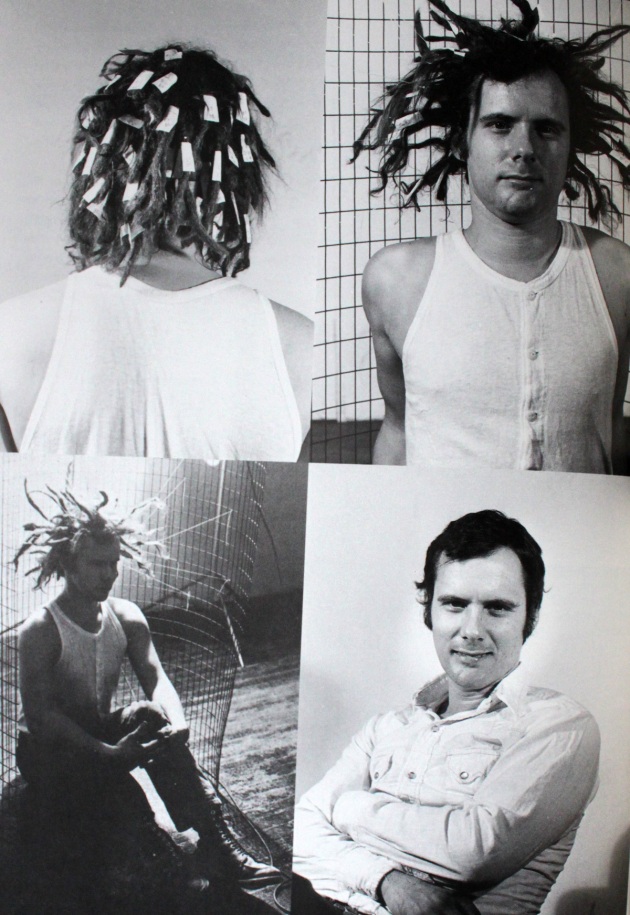
1.Iannis Xenakis. Composición para el politopo de Micenas – 2.Nancy Graves. “Lunar Maps” – 3.Gordon Matta-Clark. “Hair” – 4.A.Borrego. “Princeton Battlefield shopping”
4. CONTRADEFINICIÓN: ASIMÉTRICO (EN “DESPROPORCIONADO”)
Un objeto asimétrico tienen una configuración formal manifiestamente no homogénea. En particular, dicha configuración –no estrictamente superficial, sino también extendida a sus propiedades organizativas o funcionales- contiene aglomeraciones heterogéneas de propiedades locales, no necesariamente orientadas mantener el equilibrio del conjunto. La asimetría desafía, por tanto, las nociones de equilibrio y de homogeneidad.

Bruno Munari. Ejercicios de alumnos. Densificación y rarefacción.
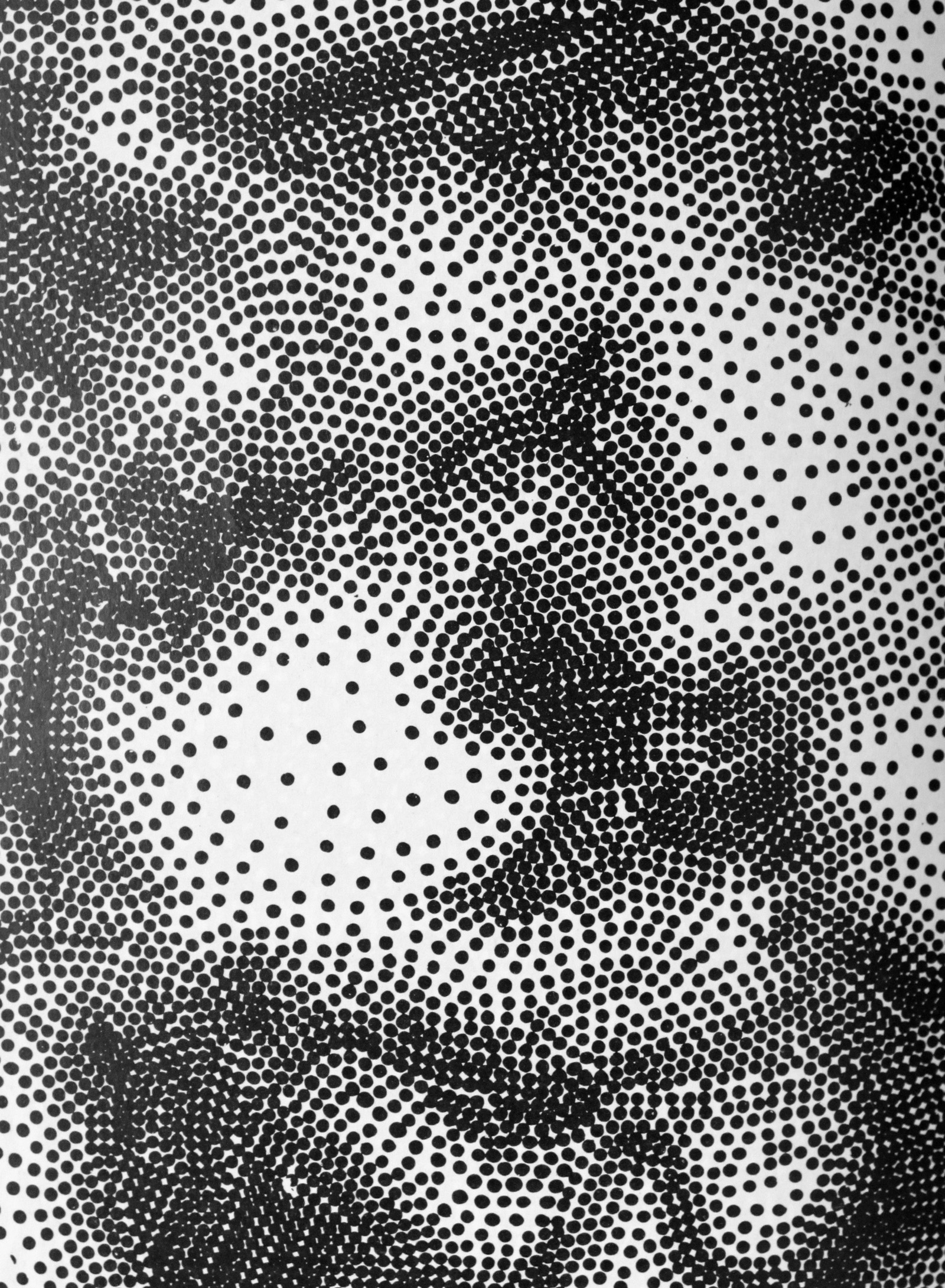
Los conceptos de densificación y rarefacción empleados en estos ejercicios sugieren la aparición de una sensibilidad relacionada con lo no homogéneo, lo repetido pero progresivamente variable (un término acuñado por Manuel de Landa), y la idea de transición contínua.

1. Junya Ishigami “Islands” – 2, 3. Lebbeus Woods “Turbulence”, “Heterarchies” – 4.Aranda-Lasch “The Pigeon Project” – 5.Paul Virilio “Función oblícua”.









 FEO, INÚTIL E INESTABLE (en Arquitectura)